




Camden council bulky waste rules and Kilburn disposal guide
Posted on 17/06/2026
If you are staring at an old sofa, a mattress, a broken freezer, or a pile of flat-pack leftovers and wondering what on earth to do next, you are not alone. The rules around Camden council bulky waste collection can feel a bit fiddly, especially if you live or work near Kilburn and need a disposal plan that is quick, legal, and not wildly expensive. This guide breaks down the Camden council bulky waste rules and Kilburn disposal guide in plain English, so you can sort out bulky items without the usual headache.
We will cover how the process typically works, what to check before booking anything, when council collection makes sense, when private removal is the better fit, and the little local details that can save you time on a wet Tuesday morning when the hallway is already blocked by a wardrobe you regret buying. Let's make it simpler.
Why Camden council bulky waste rules and Kilburn disposal guide Matters
Bulky waste sounds simple until you try to move it. A single item can turn into a logistics problem very quickly: a sofa that will not fit through the stairwell, a fridge that needs safe handling, or a mattress that has to be cleared before a tenancy check-out. In Camden and around Kilburn, the stakes are not just convenience. They are also about compliance, kerbside obstruction, neighbour relations, and avoiding fly-tipping.
To be fair, most people do not wake up excited about waste rules. But understanding them pays off. If you know which items qualify as bulky, what preparation is expected, and which route suits your situation best, you can avoid missed collections, extra costs, and the slightly awkward experience of having an item rejected at the last minute. Nobody wants a half-dismantled bedframe sitting in the front garden while the clock is ticking.
This matters even more in Kilburn because many homes are flats, converted buildings, or streets with tight access. That changes the game. A collection that seems straightforward on paper can become awkward in practice if parking is limited, the lift is tiny, or the item is too heavy for one person to carry safely. If you are preparing for a move, it may also help to read practical move-out preparation tips and decluttering advice before a move so the bulky waste sort-out does not get left until the last hour.
Expert summary: The best bulky waste plan is the one that matches the item, the access conditions, and your timeline. Council collection is often the neatest option for a few items, while removal support is usually better when access is awkward, the load is heavy, or there is a deadline.
How Camden council bulky waste rules and Kilburn disposal guide Works
At a practical level, bulky waste disposal normally falls into a few broad routes: council collection, reuse or donation, and private removal. The right route depends on the item, its condition, how fast you need it gone, and whether you can safely move it yourself.
Camden council bulky waste arrangements are generally designed for items that are too large for normal household bins. That usually includes things like wardrobes, tables, chairs, mattresses, white goods, and sofas. But the exact acceptance criteria can vary, and councils often expect items to be prepared in a certain way. For example, some collections require you to place the item at the agreed point, not inside the property, not blocking shared access, and not mixed with regular rubbish. Small detail, big difference.
In Kilburn, many residents also need to think about whether the disposal job is really a waste issue or a move issue. If you are clearing furniture before a relocation, a broader removals plan may be smarter. A service such as local removals support in Kilburn or furniture removals in Kilburn can be more efficient when you have several heavy items, limited time, or tricky stairs. For shorter-notice jobs, same-day removals in Kilburn may be worth exploring when you need quick clearance without leaving items on the kerb overnight.
A useful rule of thumb: if the item is reusable, try to keep it in circulation. If it is damaged but still manageable, council or private collection may suit. If it is heavy, awkward, or part of a larger clear-out, coordinated removal is often less stressful. Truth be told, one badly planned collection can take more energy than two properly organised ones.
Key Benefits and Practical Advantages
Getting bulky waste sorted the right way is not just about avoiding trouble. It can genuinely make life easier.
- Cleaner space faster: Clearing one oversized item can instantly open up a room, hallway, or storage area.
- Lower risk of damage: Professional handling can reduce scratches, broken walls, and strained backs.
- Better compliance: Using the right route reduces the risk of improper disposal or fly-tipping issues.
- Less stress during moves: When bulky waste is planned early, the whole move feels more controlled.
- More room for reuse: Items in decent condition can be passed on rather than thrown away.
There is also a quiet practical benefit that people overlook: mental relief. You know that moment when a spare room stops feeling like storage chaos and starts feeling like a room again? That change matters. It makes a property easier to clean, easier to photograph, easier to hand back, and easier to live in. If you are currently at that stage, efficient packing strategies can help you separate what stays, what goes, and what needs special handling.
Who This Is For and When It Makes Sense
This guide is useful for a wide range of people, not just tenants about to move out. In Kilburn and Camden, bulky waste decisions come up in everyday life more often than you might expect.
- Tenants: When you need to clear furniture before check-out or replace a damaged item.
- Homeowners: When an old sofa, bed, or appliance has reached the end of its life.
- Landlords and agents: When a property needs a fast reset between occupiers.
- Students: When moving between flats and trying to avoid leaving unwanted items behind.
- Small businesses: When office furniture or fixtures need removing without disrupting operations.
It also makes sense if you are dealing with one of those slightly annoying "almost too good to throw away" items. Maybe a sofa is still usable but not worth keeping. Maybe the freezer is old, but the rest of the kitchen has already been replaced. For storage-heavy situations, storage in Kilburn can buy you time while you decide whether to reuse, donate, or dispose. And if you are weighing up whether an item should be protected until later, sofa storage guidance and freezer storage best practice are both handy reads.
Sometimes the honest answer is that you do not need a bulky waste collection at all. You need a better sorting plan. That is a nice problem to have.
Step-by-Step Guidance
If you want a smooth disposal job, work through the process carefully. This is the bit where a little order saves a lot of running around later.
- Identify every bulky item. Write down what needs to go, including size, weight, and whether it is still usable.
- Separate reusable items. If something can be donated, sold, or repurposed, remove it from the disposal pile.
- Check access. Look at stairs, lifts, door widths, parking, and any loading restrictions. In Kilburn, access can be the main constraint.
- Break down what you can. Remove legs, cushions, drawers, or doors where safe and practical.
- Prepare the item properly. Keep loose parts together, tape small fittings into a labelled bag, and avoid leaving sharp edges exposed.
- Choose your disposal route. Decide between council collection, private removal, or a combination.
- Book in advance if needed. Council slots and good removal slots are both easier to secure when you plan ahead.
- Move items safely. Use two people for heavy or awkward pieces, or bring in professional help.
- Confirm collection details. Double-check timing, placement instructions, and any restrictions on item type or quantity.
- Clean the space afterwards. A quick sweep or vacuum helps you spot any missed fixings, screws, or damage.
If the item is bulky but not quite a waste item yet, think one step ahead. A mattress might need moving to storage. A wardrobe might be better dismantled and relocated. In that case, bed and mattress moving tips can help, and piano removals in Kilburn is a useful example of how specialist handling matters for very heavy or delicate items. Different item, same principle: planning beats panic.
Expert Tips for Better Results
After dealing with plenty of clearance and moving jobs, a few things keep showing up. The jobs that go well are rarely lucky. They are usually prepared.
Tip 1: Measure before you lift. It sounds basic, but the number of times an item has been carried to a doorway only to get stuck is honestly a bit funny, if you are not the one holding it. Measure the item, then measure the route.
Tip 2: Keep the route clear. Hallways, porches, stair landings, and lifts should be clear before the item moves. One stray shoe can become oddly dramatic when someone is carrying a wardrobe.
Tip 3: Use the right help for the right job. A couple of chairs are one thing. A bulky corner sofa or a heavy appliance is another. For jobs that involve lifting, a guide like how to handle heavy lifting safely is a smart reminder that safety should come first.
Tip 4: Think about the end point, not just the collection point. If an item is being removed because you are moving home, avoid creating a second job later by checking storage or onward transport options early. Sometimes the cleanest solution is a combined one: clear the rubbish, move the keepers, and store the "maybe" pile temporarily.
Tip 5: Don't leave disposal until the final day. The final 24 hours of a move already bring enough noise, bags, cables, and half-empty boxes. Bulky waste is easier when handled before the pressure builds.
And one more thing: if you are working around flats or shared buildings, make polite contact with neighbours or building management when needed. A small heads-up can avoid complaints and keep everyone on side. A quiet lift journey at 8 a.m. beats an irritated text later, every time.
Common Mistakes to Avoid
Most bulky waste problems come from a few familiar errors. The good news is they are all avoidable.
- Assuming every large item is accepted: Some items may need special handling or may be excluded.
- Leaving items unprepared: Loose screws, torn fabric, or broken glass make collections awkward and unsafe.
- Blocking shared access: Stairwells, fire exits, and pavements must stay clear.
- Underestimating weight: What looks manageable can be far heavier than expected once you start moving it.
- Booking too late: Delays are common when everyone else is trying to clear the same end-of-month deadlines.
- Mixing waste types: Bulky waste, recycling, and general rubbish are not always handled the same way.
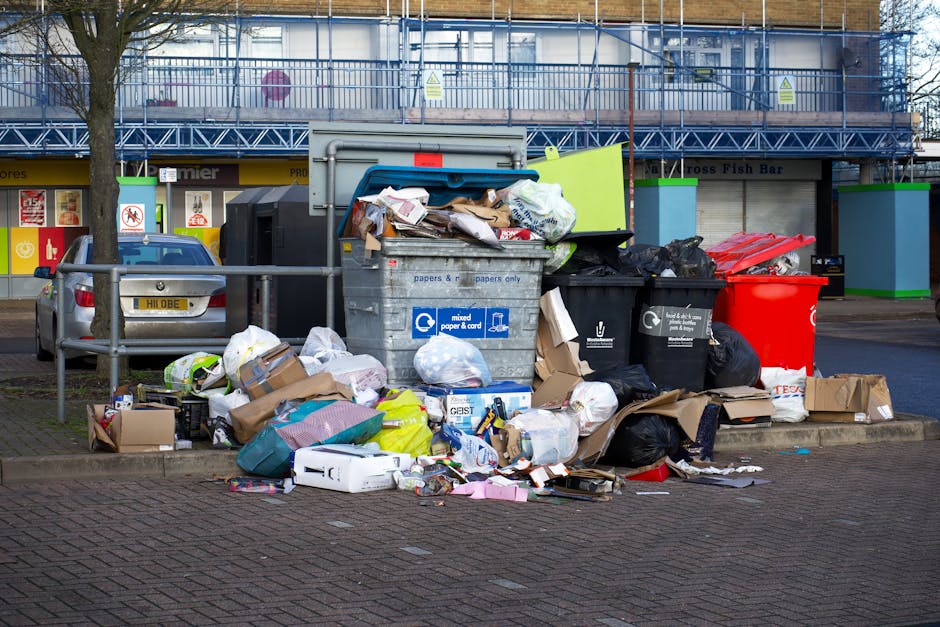
A classic one is the "we'll just put it outside for now" approach. That can be a problem. Items left out too early may cause obstruction, get wet, or attract complaints. In some cases they can even be mistaken for fly-tipping. Not ideal.
Another mistake is failing to think about access from the start. In Kilburn, that is a big deal. A proper look at the route through the building, the parking situation, and the timing can save you from a very avoidable sigh on collection day.
Tools, Resources and Recommendations
You do not need a van-load of equipment to manage bulky waste well, but a few simple tools make the process much smoother.
- Measuring tape: Check item dimensions and access points before collection or moving.
- Basic toolkit: Useful for dismantling furniture or removing fittings safely.
- Heavy-duty gloves: Handy for handling rough edges, splinters, or broken components.
- Straps or blankets: Help protect items and improve grip during transport.
- Labels and bags for fixings: Keep screws, brackets, and bolts together if the item may be reused later.
- Bin bags and a broom: For the final clean-up once the bulky item is gone.
For larger house clear-outs, it helps to look at the whole moving picture rather than a single item in isolation. The service pages on house removals in Kilburn, flat removals in Kilburn, and office removals in Kilburn show how different environments need different planning. If you are curious about the broader moving approach, the services overview is a sensible place to compare options.
For people who are price-sensitive, a useful next read is real cost comparison and quotes for removals in Kilburn. It can help you separate the low headline price from the actual cost once labour, access, and timing are included. And yes, that happens more often than people think.
Law, Compliance, Standards, or Best Practice
Without getting tangled in legal jargon, the main compliance point is simple: bulky waste should be disposed of responsibly and through legitimate channels. That means using an approved collection route, preparing waste correctly, and avoiding anything that could be classed as fly-tipping or unsafe placement in communal areas.
In the UK, householders remain responsible for ensuring their waste is handled properly. If you hand rubbish to someone else, it is still wise to check that they are legitimate and that the disposal method is appropriate. Best practice also means separating items where possible, not putting hazardous materials in with general bulky waste, and following the collection instructions exactly.
For items like fridges and freezers, there can be extra handling considerations because of refrigerants and electrical components. For that reason, the safest approach is to treat white goods as a separate category rather than "just another large item." If you are not sure, ask before moving it. A small clarification can prevent a very annoying refusal on the day.
From a practical standards point of view, the aim should always be: safe handling, minimal obstruction, clean separation of waste streams, and clear communication with any collector or removal team. That is the level of care that keeps things tidy and avoids problems later.
Options, Methods, or Comparison Table
Here is a straightforward comparison of the main ways people in Camden and Kilburn usually deal with bulky waste.
| Option | Best for | Strengths | Watch-outs |
|---|---|---|---|
| Council bulky waste collection | One-off household items in acceptable condition | Simple, familiar, often cost-effective for small quantities | May involve booking lead times, preparation rules, and item limits |
| Private removal service | Heavy, awkward, urgent, or multi-item clear-outs | Flexible timing, help with lifting, better for difficult access | Usually costs more than a standard council collection |
| Reuse or donation | Usable furniture and appliances | Best environmental outcome, can help someone else, reduces waste | Needs extra time and item condition must be suitable |
| Temporary storage first | Items you are not ready to part with yet | Buys time, helps with staged moves and decluttering | Only works if storage space is available and worthwhile |
If you are trying to decide quickly, ask yourself three questions: Is the item still usable? Do I have safe access to move it? Do I need it gone now or just eventually? The answers usually point you to the right option.
Case Study or Real-World Example
A fairly typical Kilburn scenario goes like this. A tenant is moving out of a top-floor flat near the High Road and needs to get rid of a worn-out sofa, an old mattress, and a bulky shelving unit. At first, the plan is to sort everything on the final evening and place it outside for collection. That sounds efficient. In reality, it is a bit of a mess.
When the tenant checks access properly, the sofa will not fit cleanly around a tight turn on the landing unless it is partly dismantled. The mattress is fine, but the shelving has loose fixings and several heavy panels. The building also has limited loading time. So the plan changes. The mattress is separated, the shelving is broken down, and the sofa is handled as a furniture move rather than a simple dump-and-go job. The result is calmer, safer, and faster.
That is the core lesson: the right disposal route is often decided by access, not just by item size. In buildings with narrow staircases or awkward corners, a bit of planning makes a big difference. If the property is a flat, the local guidance on furniture access tips for Kilburn flats is especially relevant. For vehicles and parking near transport hubs, loading bay rules around Kilburn Park Station can also help you avoid a needless delay.
Nothing glamorous about it. But it works. And on moving day, that is what counts.
Practical Checklist
Use this checklist before you arrange bulky waste disposal in Camden or Kilburn.
- List every bulky item that needs attention.
- Separate reusable items from true waste.
- Check whether any item needs special handling.
- Measure doors, stairs, lifts, and the item itself.
- Clear the route from the item to the exit.
- Decide whether council collection or private removal is better.
- Book in enough time for your deadline.
- Prepare fixings, dismantle safe components, and label small parts.
- Confirm where the item should be placed for collection.
- Keep shared access points clear.
- Arrange help for heavy lifting, especially on stairs.
- Do a final sweep once the item is removed.
If you are managing a bigger clear-out, it can help to connect disposal with the rest of the move. stress-free relocation planning and booking tips for a removal company in Kilburn are both good next steps when you want the whole process to run smoothly.
Need a smoother route from clutter to clear space? A well-timed removal plan can save you from multiple trips, awkward lifting, and the sort of last-minute scramble nobody enjoys. If you want tailored help, start with the contact page and ask what works best for your situation.
Conclusion
Camden council bulky waste rules and Kilburn disposal guide decisions are really about one thing: choosing the right method for the right item at the right time. A single sofa is not the same as a full flat clear-out. A reusable wardrobe is not the same as a broken appliance. And a top-floor property with tight stairs is never quite as simple as it looks on paper.
If you plan ahead, check access, and keep your options flexible, bulky waste disposal becomes much more manageable. You protect your time, reduce stress, and avoid the sorts of mistakes that lead to extra costs or messy kerbside problems. That is the quiet win here.
Get a free quote today and see how much you can save.
And if you are still in the middle of the sort-out, that is fine. One clear decision at a time is usually enough. You will get there.