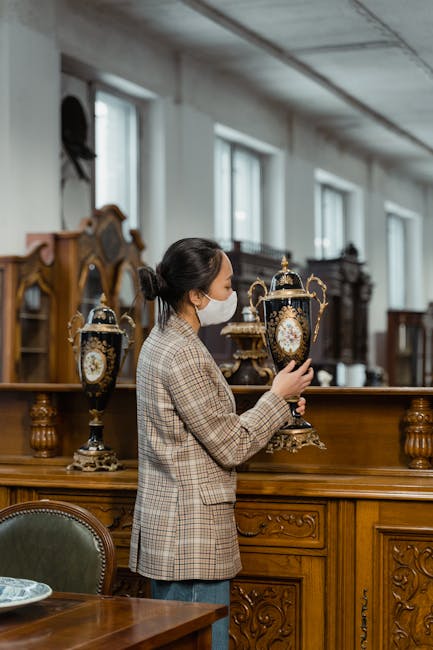
Antique Furniture Removals Kilburn Valuation to Safe Delivery
Moving an antique isn't the same as moving a side table from a flat in Kilburn on a damp Tuesday evening. It needs judgement, patience, and a proper plan from the first valuation through to safe delivery. Antique furniture removals Kilburn valuation to safe delivery is about more than lifting and loading; it is about protecting age, craft, finish, and sometimes real sentimental value. If you own a Victorian dresser, a walnut cabinet, a marble-topped console, or a delicate dining set, the smallest mistake can become an expensive one. This guide walks you through how the process works, what to expect, and how to reduce risk without turning the whole thing into a stressful saga.
In practice, a good move starts with understanding the item, then matching the right handling method, vehicle, and crew to it. Simple enough on paper. In real life, there are stairwells, awkward hallways, period property quirks, and that one piece that always seems bigger on moving day. Let's make it manageable.
- Why it matters
- How the process works
- Key benefits
- Who this is for
- Step-by-step guidance
- Expert tips
- Common mistakes
- Tools and recommendations
- Compliance and best practice
- Options and comparison
- Real-world example
- Checklist
- Conclusion
- Frequently asked questions
Why Antique furniture removals Kilburn valuation to safe delivery Matters
Antique furniture is fragile in ways that modern furniture often is not. Solid wood can split with a sudden twist, veneer can lift if moisture gets trapped, and old joints may already be weakened even if the piece looks sturdy. A dining chair from the 1930s may feel light and manageable, while a Georgian chest of drawers can be deceptively heavy and top-heavy. That mismatch between appearance and behaviour is exactly why careful removals matter.
In Kilburn, homes can bring extra complications: narrow stairs, older conversions, basement access, shared hallways, and parking that may be tight or time-limited. If you are dealing with a collection from a flat, a townhouse, or a storage unit nearby, planning has to account for the route as much as the item itself. A valuation is useful because it helps set expectations around handling, insurance, and whether specialist packing or dismantling is needed.
Key point: the goal is not only to move the furniture, but to preserve its condition and value throughout the journey. That is the real measure of a successful antique move.
Valuation also matters because it forces a practical conversation: what is the item worth, what would damage cost, and what level of protection makes sense? That does not mean every item needs museum treatment. It does mean the move should be proportionate, not casual. To be fair, a little caution saves a lot of regret later.
How Antique furniture removals Kilburn valuation to safe delivery Works
The process usually starts with an assessment. Sometimes this is a photo-based review, sometimes an in-person visit if the item is especially large, valuable, or awkward. The remover or mover looks at dimensions, construction, finish, access points, and likely pressure points. On older pieces, they will also note whether shelves are removable, whether doors need securing, and whether legs or handles should be protected separately.
From there, the move is planned in stages:
- Item appraisal and route check - identify value, fragility, access, and any obstacles.
- Packing specification - decide whether blankets, wrap, crates, corner protectors, or specialist boxes are needed.
- Lift and carry plan - decide how many people are needed and how the piece will be turned, tilted, or carried.
- Vehicle loading - position the item so weight is stable and vibration is reduced.
- Transit - drive carefully, with tie-downs or bracing if appropriate.
- Delivery and placement - unload, inspect, and place the item exactly where it belongs.
Safe delivery is not a vague promise; it is a series of small, careful decisions. For example, a varnished sideboard should not be dragged across a stone threshold, and a table with loose marquetry should not be wrapped so tightly that the finish rubs under pressure. Small things, big consequences.
Some customers ask whether a man and van service is enough. Sometimes yes, especially for a single item or two, but only if the crew has the right experience and equipment. For a larger house clearance or a multi-item antiques move, you may need a broader removal services setup or a more tailored moving plan that fits the pieces rather than forcing the pieces to fit the plan.
Key Benefits and Practical Advantages
The main benefit is obvious: less risk of damage. But there are other advantages people often overlook when they are focused on the move day itself.
- Better preservation of value - careful handling helps protect resale, insurance, and family inheritance value.
- Reduced emotional stress - antique pieces often carry memories, so reassuring handling matters as much as physical protection.
- Less chance of access damage - walls, stair edges, bannisters, and floors stay safer when the route is planned properly.
- Clearer insurance and accountability - when a move is documented properly, everyone knows what was moved and how.
- More efficient delivery - a skilled team can often move awkward items faster because they do not waste time correcting avoidable mistakes.
There is also a quiet benefit: peace of mind. That sounds a bit soft, maybe, but if you have ever watched a family piece being manoeuvred through a tight hallway, you know exactly why it matters. You want steady hands and no rush.
If the move forms part of a wider house move, it can also help to coordinate with house movers or a trusted movers team so the antique items are handled separately from standard furniture. That separation is often the difference between a smooth day and a chaotic one.
Who This Is For and When It Makes Sense
This service is for anyone who owns furniture that is older, delicate, valuable, or difficult to replace. That includes private homeowners, landlords clearing a furnished property, interior designers moving sourced pieces, collectors, executors dealing with estates, and shop owners moving display furniture. It is also useful when the item has unusual dimensions or a finish that scratches easily.
It makes sense when one or more of the following apply:
- The piece is antique, vintage, or heritage-grade.
- The item has loose joints, glass, mirrors, veneer, inlay, or carving.
- The route involves stairs, narrow entrances, or long carries.
- You need valuation before transit for insurance or decision-making.
- The furniture is sentimental and you do not want to take chances.
Some people delay booking because they think the item looks "fine". That is understandable, but old furniture can be internally weakened in a way you would never spot from the outside. A tiny split in the frame, a previous repair, a warped drawer bottom - these things can turn a routine lift into a mess. Truth be told, antiques are often tougher than they look, until suddenly they are not.
If the move is part of a wider relocation, you may also find it useful to look at home moves or, for a particularly compact local job, man with van support. The right fit depends on how many items you have and how sensitive they are.
Step-by-Step Guidance
Here is a practical way to approach an antique move without overcomplicating it. Nothing fancy. Just a sensible order of operations.
- List every item
Write down what is moving, including dimensions, condition, and any known issues. Photograph front, back, corners, and weak points. That record can be very useful later. - Arrange a valuation or assessment
This can help establish handling priorities. A piece that is rare, signed, or restored may need more than standard protection. - Check access properly
Measure doorways, stair width, lift size, and turning space. A cabinet that fits the room may still fail at the final bend. Annoying, but common. - Decide on packing method
Blankets and wrap may be enough for some furniture. Others need corner protection, glass removal, or custom bracing. - Prepare the property
Clear hallways, protect floors if needed, and keep pets or children away from the route. - Load with care
Heavier items should be anchored, and delicate finishes should not rub against rough materials. - Inspect on arrival
Check the item before and after unloading. It is much easier to spot an issue immediately than after everyone has gone.
For larger moves, you may want a crew that understands both careful handling and logistics. A well-organised removal company can coordinate timing, equipment, and access checks so antique items are not left until the end of a long, tiring day.
If packing is a concern, a service such as packing and unpacking services can be especially helpful when a piece contains removable shelves, glass panels, or loose internal fittings.
Expert Tips for Better Results
These are the small decisions that make a surprisingly big difference.
- Use the right wrap for the finish. Some antiques do not like heavy cling wrap applied directly to polished surfaces. Breathable protective layers are often safer.
- Remove loose parts early. Keys, shelves, glass, and detachable legs should be handled separately and labelled clearly.
- Photograph condition before wrapping. It sounds obvious, but in a busy move it is easy to forget. One quick set of photos can prevent a lot of confusion.
- Keep restoration notes with the item. If a piece has been repaired before, note it. That helps the mover judge weak points.
- Think about humidity and weather. On a wet London day, you do not want damp blankets sitting against wood any longer than necessary.
- Plan the delivery room. Clear the destination before the van arrives. Otherwise, the item sits in the hallway while everyone shuffles boxes around it. Not ideal.
A helpful rule of thumb: if you are hesitating over whether a piece needs extra protection, it probably does. Antique furniture rarely benefits from optimistic guesswork.
Where access is tricky, a small vehicle setup can be enough for single pieces, but for heavier collections or long-distance routes, a more structured moving van or removals arrangement may be the better call.
Common Mistakes to Avoid
Most damage to antique furniture is not dramatic. It usually comes from small, preventable errors.
- Skipping the valuation stage. Without a clear assessment, it is harder to choose the right packing and handling method.
- Forcing a piece through an access point. If the route is wrong, stop and re-plan. Do not improvise under pressure.
- Wrapping too tightly. Pressure can mark finishes, trap moisture, or stress fragile joins.
- Leaving drawers or doors unsecured. Internal movement can cause real damage on bumps and turns.
- Using the wrong crew size. Two people may be enough for a chair, not for a heavy cabinet. Asking too little of a team is where things go sideways.
- Rushing delivery placement. Put the item in the intended room carefully. Dragging it the last metre is not the same as delivering it safely.
One of the most common errors is simply assuming "removal" means "careful enough". It doesn't always. Antique pieces need specific judgment, and sometimes that means choosing a more specialist provider rather than the quickest option.
Tools, Resources and Recommendations
You do not need a warehouse full of gear, but the right equipment matters. For antique removals, the useful basics tend to be:
- padded blankets
- soft wrap or protective sheeting
- corner guards
- ratchet straps used carefully
- gloves with a good grip
- moving dollies for suitable items
- furniture sliders for short controlled repositioning
- labels and condition notes for detached parts
What helps even more is choosing the right support services. If the item is part of a bigger household project, you might use house removals for the overall move while keeping antique handling as a specified priority. If it is a business setting, commercial moves can help coordinate timing and access around opening hours.
If sustainability matters to you, it is worth asking how packaging waste is handled too. A provider with a sensible approach to recycling and sustainability can help reduce unnecessary waste from padding, wrap, and old packing materials. Small detail, yes, but it adds up.
Law, Compliance, Standards, or Best Practice
For antique furniture removals, the biggest compliance themes are safety, insurance, fair trading, and clear terms. You do not need to become a legal expert, but you should understand the basics.
First, any mover handling your property should be able to explain how they manage risk and what cover they hold. That includes care during loading, transit, and unloading. It also means being honest about what is and is not covered. If an item is unusually valuable, ask whether the declared value and the proposed method match the level of risk. A polite question now is far better than an awkward one later.
Second, safe handling practices matter. Good moving practice typically includes proper lifting, route planning, load securing, and communication between team members. If a company has a published health and safety policy or an insurance and safety page, that is a useful sign that they take these responsibilities seriously.
Third, terms and pricing should be clear before the move starts. Be careful with vague quotes. You want to know whether access issues, waiting time, packing, or dismantling could change the final cost. A transparent pricing and quotes process is usually much less stressful.
Finally, if you are dealing with a sensitive estate, trust and professionalism matter. Pages such as about us, terms and conditions, and privacy policy can tell you a lot about how a business works in practice. Not glamorous, perhaps, but reassuring.
Options, Methods, or Comparison Table
Different antique moves need different levels of support. Here is a simple comparison to help you decide.
| Method | Best for | Strengths | Watch-outs |
|---|---|---|---|
| Self-move with helpers | Small, sturdy items with low value | Lower cost, flexible timing | Higher risk if access is awkward or the item is fragile |
| Man and van support | Single pieces or modest local moves | Practical for short journeys, often efficient | Only suitable if the crew understands delicate handling |
| Full removal team | Multiple antiques or a house move with several delicate items | Better coordination, more hands, more equipment | Can be more expensive, though often better value overall |
| Specialist protected move | High-value or irreplaceable antiques | Highest level of control and care | Requires more planning and usually a higher budget |
If you are torn between options, ask yourself one simple question: what would be more expensive - paying for the proper move, or fixing avoidable damage? That question tends to sort the issue out quickly.
Case Study or Real-World Example
A Kilburn customer needed to move a pair of antique dining chairs, a glass-front cabinet, and a heavy sideboard from a first-floor flat to a nearby home. The route looked straightforward at first glance, but the stair landing was tighter than expected and the cabinet doors were slightly loose. The solution was simple but deliberate: the glass was protected separately, the doors were secured, the cabinet was turned at an angle on the landing, and the heavier sideboard was moved with two people supporting the base and top rather than pulling from the handles.
The move took a little longer than a standard furniture job, but not by much. More importantly, the items arrived with their finish intact and no extra stress on the joints. That is how good antique removals should feel: careful, calm, and a bit uneventful in the best possible way.
The homeowner later said the thing they appreciated most was not the lifting. It was the clear explanation of what would happen and why. That's the part people remember. The reassurance. The quiet competence.
Practical Checklist
Use this checklist before the movers arrive. It will save time, and probably a headache too.
- List each antique item with dimensions and condition notes.
- Take photographs of all sides and existing marks.
- Confirm whether any item needs valuation or special insurance discussion.
- Measure doorways, stair turns, lifts, and hall width.
- Remove loose parts such as keys, shelves, and detachable glass.
- Clear the route from room to vehicle and from vehicle to destination room.
- Protect floors or walls if the access is tight.
- Ask what packing materials will be used.
- Check arrival time and the expected crew size.
- Agree on where each item should be placed at delivery.
- Review the quote, terms, and safety information before the day.
- Keep contact details handy in case access changes on the day.
A quick checklist like this can turn a vague moving day into a controlled one. Nothing magical. Just practical.
Get a free quote today and see how much you can save.
Conclusion
Antique furniture removals in Kilburn are at their best when valuation, planning, packing, transport, and delivery all work together. If one part is rushed, the rest tends to wobble. If each part is handled properly, the move becomes much easier than people expect. Not effortless - antiques rarely are - but solid, calm, and safe.
The main lesson is simple: treat the furniture as a one-of-a-kind item, not just another load. That mindset changes everything. It changes the packing, the route, the lifting technique, the timing, and the aftercare. And in a district like Kilburn, where access can be charmingly awkward at times, that attention really pays off.
When you are ready, choose the option that gives you confidence, clear information, and careful handling from start to finish. Your furniture has already lasted this long. It deserves a move that respects that.
Frequently Asked Questions
What does antique furniture removals Kilburn valuation to safe delivery actually include?
It usually includes an assessment of the item's condition and value, planning for access and packing, careful loading, protected transport, and delivery with placement in the correct room. In some cases, it also includes dismantling or removal of loose parts.
Do I need a valuation before moving antique furniture?
Not always, but it is strongly advisable for valuable, rare, insured, or sentimental pieces. A valuation helps you decide how much protection is sensible and whether the move needs extra care or more specialist handling.
Is a man and van service suitable for antiques?
Sometimes, yes. A smaller move with one or two items can be appropriate if the crew is experienced and the vehicle is well equipped. If the item is large, fragile, or especially valuable, a more structured removal service is usually safer.
How do I know if my antique furniture needs special packing?
If it has glass, loose joints, veneer, carving, marble, mirrors, or a delicate finish, it probably does. Old furniture can also hide hidden weaknesses, so a proper assessment is the best way to judge it.
What are the biggest risks during antique furniture removals?
The main risks are scratches, splits, broken joints, chipped corners, moisture damage, and access damage to walls or floors. Most of these problems are preventable with the right route, right crew size, and right packing.
How far in advance should I book an antique furniture move in Kilburn?
As early as you can, especially if the item needs valuation, access planning, or special packing. A little lead time makes the whole process calmer and gives everyone a chance to spot issues before moving day.
Can antique furniture be moved up or down stairs safely?
Yes, often it can, but the route must be checked carefully. Stair width, landing turns, and the furniture's weight distribution all matter. Sometimes a piece needs to be turned, partially dismantled, or moved by a larger team.
What should I ask before accepting a quote?
Ask what is included, whether packing materials are covered, how access issues are handled, what insurance or liability arrangements apply, and whether valuation affects the plan. Clear answers now save arguments later.
Will the movers place the furniture in the exact room I want?
They should, provided the access route allows it and the room is ready. It helps a lot if you label rooms beforehand, because nobody enjoys a post-move guessing game with a heavy cabinet.
How can I prepare antique furniture for safe delivery?
Clear out drawers, remove loose parts, take photos, measure access points, and make sure the destination room is ready. If the item is especially fragile, ask the mover about the best packing method rather than assuming standard wrap is enough.
What if my antique item already has old repairs or damage?
Tell the mover before the job starts and document the damage with photos. Old repairs can affect how a piece should be lifted, braced, or wrapped, so honesty here is genuinely helpful.
Can antique removals be combined with a full house move?
Yes, and that is often practical. The key is to flag the antique items early so they are treated separately from standard boxes and bulk furniture. That way the move stays organised and the delicate pieces do not get rushed at the end.