



Case study Kilburn flat to house removal before and after
Posted on 16/08/2026

Moving from a flat to a house sounds straightforward on paper. In real life, it often means tight stairwells, awkward corners, parking pressure, and a lot more boxes than you remember owning. This case study on a Kilburn flat to house removal before and after breaks down what changes when the move is planned properly, what the property looked like before and after the relocation, and the practical steps that made the whole thing smoother. If you are weighing up a similar move in NW6, this should give you a clear picture of what to expect, what to prepare, and where people usually get caught out.
We will look at the before and after stages in a way that is genuinely useful: access, packing, furniture protection, timing, loading, transport, and settling in. There is also a comparison table, a checklist, and a realistic example based on the kind of move many Kilburn residents deal with when upgrading from a compact flat to a family house. Let's face it, a move is never just about getting things from A to B. It is about getting your life packed, protected, and reassembled without turning the day into a small disaster.
Why this before-and-after case study matters
Flat-to-house moves are easy to underestimate. A flat in Kilburn may have limited storage, narrow corridors, shared entrances, and restricted parking; the destination house may have more room, but it often comes with different problems, such as longer carries, more items to unload, or heavier furniture arriving all at once. That contrast is exactly why a before-and-after view is useful. It shows the move not as a single event, but as a chain of decisions that either reduce stress or multiply it.
The before stage is where most of the work happens. People often think the hard part begins when the van arrives. In reality, the biggest differences are made in the days before that: decluttering, labelling, dismantling furniture if needed, checking access, and making sure the route is workable. A well-prepared flat move tends to feel smaller than it is. A poorly prepared one can feel like the boxes have multiplied overnight. Strange, but true.
The after stage matters just as much. It is not only about being in the new house. It is about whether the sofa fits, whether the bed gets reassembled quickly, whether fragile items survive, and whether you can function that first night without digging through ten identical cardboard boxes looking for a kettle. If you want a move that feels settled rather than scrambled, the before-and-after comparison is the most honest way to judge success.
For readers planning a similar move, related guidance on stress-free home relocation and efficient packing strategies can help you build a smarter plan before the moving day arrives.
How a Kilburn flat to house removal works
At its core, this type of move follows a simple pattern: assess the flat, plan access, pack and protect, load in the right order, transport carefully, unload by room, and then reassemble the essentials. Simple on paper, yes. In practice, each step needs a bit of judgement.
In Kilburn, access is often the first variable. A first-floor flat with a short stair run is very different from a top-floor property with a tight staircase and no lift. On the house side, there may be easier internal access, but the driveway or parking position can still add time. The job works best when the move team thinks about both ends of the journey, not just the van.
A good flat-to-house removal usually includes a pre-move assessment. That can be as basic as checking what is being moved, which items need dismantling, what is fragile, and whether any large pieces need specialist handling. Furniture-heavy homes often benefit from a structured plan, especially where wardrobes, mattresses, or bulky sofas are involved. If that sounds familiar, it may be worth reading the practical advice on furniture removals in Kilburn and the guide to access tips for flats on Kilburn High Road.
There is also the question of timing. A small flat move can sometimes be handled quickly, but once the destination is a larger house, unloading and room placement take longer. The move may feel slower at the finish than at the start. That is normal. It is not a problem, unless nobody planned for it.
Key benefits and practical advantages
The biggest benefit is control. When a flat-to-house move is planned properly, you get more predictability over the day, better protection for your belongings, and a smoother first night in the new place. That sounds obvious, but the difference in stress is very real.
- Better organisation: labelled boxes and room-by-room packing make unpacking faster.
- Less damage risk: careful wrapping and secure loading reduce knocks, scuffs, and crushed corners.
- Faster settling in: the essentials can be placed where they belong instead of being stacked in a hallway.
- More efficient use of space: moving from a cramped flat to a house gives you room to stage belongings sensibly.
- Lower emotional strain: a calmer move usually means fewer forgotten items and fewer last-minute arguments. Yes, those happen.
There is also a less obvious advantage: a move from flat to house is the perfect moment to reset habits. People often unpack rubbish they would rather not see again. That is a gift, actually. Use the move to stop carrying old clutter into a bigger space. The article on decluttering insights for moving is especially useful if you want the new house to feel lighter from day one.
For many households, this is also the point where short-term storage becomes useful. If the house is not fully ready or the timing between tenancies is awkward, local storage can make the transition cleaner. The service information on storage in Kilburn can help when the move-out and move-in dates do not line up neatly, which, to be fair, happens more often than people expect.
Who this is for and when it makes sense
This kind of move is a strong fit for anyone leaving a smaller Kilburn flat for a larger home in the same area or nearby. It is particularly relevant for couples upgrading from a one-bed, families moving out of rented flats, or residents who have accumulated furniture over time and need a better layout. It can also suit people who are simply tired of squeezing storage into one small room and want a proper house setup.
It makes sense when the move includes one or more of these conditions:
- stairs, narrow hallways, or awkward corners at the flat
- large furniture that needs dismantling or protective wrapping
- a larger volume of belongings than a quick van run can handle
- a need to unload into separate rooms rather than one main space
- items that need special care, such as a piano, bed, or fragile furniture
It is also a sensible option if you want a local team that understands the practical realities of moving in and around Kilburn. Local know-how helps with parking, access, timing, and the general flow of the day. That is not fancy marketing talk; it is just the truth. For readers comparing options, the pages on man and van in Kilburn and removal services in Kilburn are a helpful starting point.
If you are moving a student flat, or a smaller rented place with end-of-term timing, the article on same-week student removals in Kilburn is worth a look too. Different context, same principle: planning saves the day.
Step-by-step guidance
Here is a practical way to think about the move from flat to house, from the first box to the final unpacked chair.
- Survey the flat and the house. Check stairs, parking, entry widths, and whether any large furniture needs a different route.
- Declutter before packing. Be ruthless where you can. Old cables, duplicate kitchen bits, worn-out storage tubs - let them go.
- Pack by room and priority. Keep similar items together, and mark essential boxes clearly.
- Protect fragile and bulky items. Use blankets, wrapping, tape, and sturdy boxes where appropriate.
- Dismantle furniture where needed. Beds, tables, and some wardrobes are easier and safer in pieces.
- Load the van strategically. Heavy items go first, fragile items later, and essentials in a separate, accessible position.
- Unload by destination room. Don't create a giant pile in the hallway unless you enjoy chaos. Most people don't.
- Reassemble the essentials first. Bed, kettle, basic kitchen items, chargers, and toiletries should be top of the list.
The before picture is usually a flat that feels busy, slightly boxed in, and full of things waiting to be sorted. The after picture should feel calmer: clear floors, furniture in the right rooms, and a sense that the move is actually finished rather than simply paused. You notice the difference most in the first evening. The house feels quieter. The echo changes. Small thing, but it matters.
If you want extra help with the preparation side, preparing your house for a seamless move-out gives a solid framework, and packing strategies for your upcoming move can help reduce the usual box-related panic.
Expert tips for better results
A few small decisions can make a surprisingly big difference. In our experience, the best moves are not the flashiest ones; they are the ones where the basics are handled well.
- Label more than just the room. Write the room, contents, and any setup note. For example: "Kitchen - mugs, kettle, daily plates."
- Keep an essentials bag separate. Put medication, documents, chargers, snacks, tape, and a change of clothes in one place.
- Photograph furniture before dismantling. A quick phone photo can save twenty minutes of guesswork later.
- Measure doorways and stair bends. Especially for sofas, wardrobes, and beds. It sounds dull. It is not dull when the item gets stuck.
- Plan your parking early. In busy parts of Kilburn, parking can be the hidden time thief.
- Give yourself more unpacking time than you think. The van journey may be quick, but settling into a house takes longer.
One practical tip many people overlook: pack the first-night room last, and unload it first. That simple switch prevents the "where is the toothbrush?" problem at 11:30 p.m. Nobody wants to rummage through a hundred boxes half-asleep. Nobody.
For awkward or heavy pieces, it helps to read more about moving beds and mattresses efficiently and safe heavy lifting on your own. Even if you are using professionals, the advice is useful for understanding what makes the day safer.
Common mistakes to avoid
The most common mistake is assuming the house will solve everything. More space helps, yes, but more space also means more room for clutter if you are not careful. A bigger property can still feel messy if the move is rushed.
Other mistakes come up again and again:
- Leaving packing too late. This nearly always leads to bad labelling and broken routines.
- Ignoring access issues. A van cannot magically fit where it cannot fit.
- Overpacking boxes. The box may survive. Your back may not.
- Mixing essentials with long-term storage items. That is how you end up opening six boxes for a single phone charger.
- Forgetting council or building rules. Some areas around Kilburn and nearby borough boundaries have permit or loading considerations.
- Not preparing for the first night. It is a small thing until it becomes the whole evening.
There is also a common mindset mistake: trying to make the move feel "done" by brute force. It rarely works. A better approach is to make the move orderly, then settle the house in stages. That feels slower, but actually ends faster. Funny how that works.
To reduce delays, it is worth reviewing local moving issues in advance. The guide on common problems and fixes for moving in Kilburn is a smart read before a busy moving day.
Tools, resources and recommendations
You do not need specialist equipment for every job, but the right basics make a big difference. A simple toolkit can prevent damage, save time, and spare you a few headaches.
| Item | Why it helps | Best used for |
|---|---|---|
| Strong boxes | Protects contents and stacks more safely | Books, kitchenware, mixed household items |
| Packing paper or wrap | Cushions fragile items | Glass, ceramics, lamps, ornaments |
| Furniture blankets | Reduces scuffs and corner damage | Sofas, tables, wardrobes |
| Marker pens and labels | Speeds up unloading and unpacking | All box types |
| Basic toolkit | Makes dismantling and reassembly easier | Beds, shelves, flat-pack furniture |
| Trolley or straps | Improves handling of heavier items | White goods, book boxes, bulky items |
It is also sensible to choose a service style that fits the move. A compact flat move might suit a man with a van in Kilburn, while a larger load may call for a more structured removal van service. If the move includes a piano or a very heavy instrument, that deserves dedicated handling rather than a casual approach. The article on skilled piano transport explains why.
For people who want to do a little more planning around costs and expectations, the page on pricing and quotes can help frame the decision, and the overview at services overview gives a broader view of what is available. Straightforward, no fuss.
Law, compliance, standards and best practice
Moving house in the UK is not usually a heavily regulated event for the customer, but there are still sensible standards to follow. Parking restrictions, loading rules, building access arrangements, and safe manual handling all matter. Councils can have local permit or loading expectations, and these can affect timing. It is always better to check before the van arrives than after someone has already had to circle the block twice.
From a safety point of view, the main best-practice principles are simple: do not lift awkward items without planning, do not block entrances or escape routes, and do not overload boxes beyond what is safe to carry. The Health and Safety Executive approach in the UK generally expects sensible risk reduction and safe handling methods, which is exactly what a well-run removal day should reflect in practice.
If the move includes disposals, bulky waste, or items you no longer want, local rules can vary by borough. It is wise to separate unwanted items early and avoid leaving disposal decisions for moving day itself. For a practical local perspective, the article on Camden bulky waste rules and the guide on Brent Council move permits are useful starting points for residents moving across local boundaries.
On the service side, responsible providers should have clear information about insurance, safety, and complaints handling. It is fair to expect that from any professional removal company. Related pages such as insurance and safety and complaints procedure are the kind of trust signals a careful customer should look for.
Options, methods and comparison table
Not every flat-to-house move needs the same approach. The right method depends on how much you are moving, how difficult access is, and how much help you want on the day. Below is a simple comparison that captures the main choices.
| Method | Best for | Strengths | Trade-offs |
|---|---|---|---|
| DIY move | Very small loads, flexible timing | Lower direct cost, full control | More physical strain, more time, more risk of damage |
| Man and van | Smaller household moves or partial loads | Simple booking, practical for local Kilburn moves | May need extra preparation from the customer |
| Full removal service | Larger flat-to-house moves, heavy furniture, complex access | More hands, better structure, less stress | Usually a higher cost than basic transport only |
| Move with storage | Delayed completion, overlap between homes, staged settling | Useful buffer, less pressure on move day | Needs more coordination and planning |
For a moving day in Kilburn, the best option is often the one that matches access and volume rather than the one that sounds cheapest at first glance. Cheap can be fine. Cheap and unprepared, not so much. The comparison page on cheap removals in Kilburn is helpful if you want to understand the real trade-offs more clearly.
Case study or real-world example
Here is a practical example based on a typical Kilburn flat-to-house move. The flat was a second-floor two-bedroom rental near a busy road, with no lift and a narrow internal staircase. The destination was a semi-detached house with easier internal access but a short driveway, so parking needed thought at both ends.
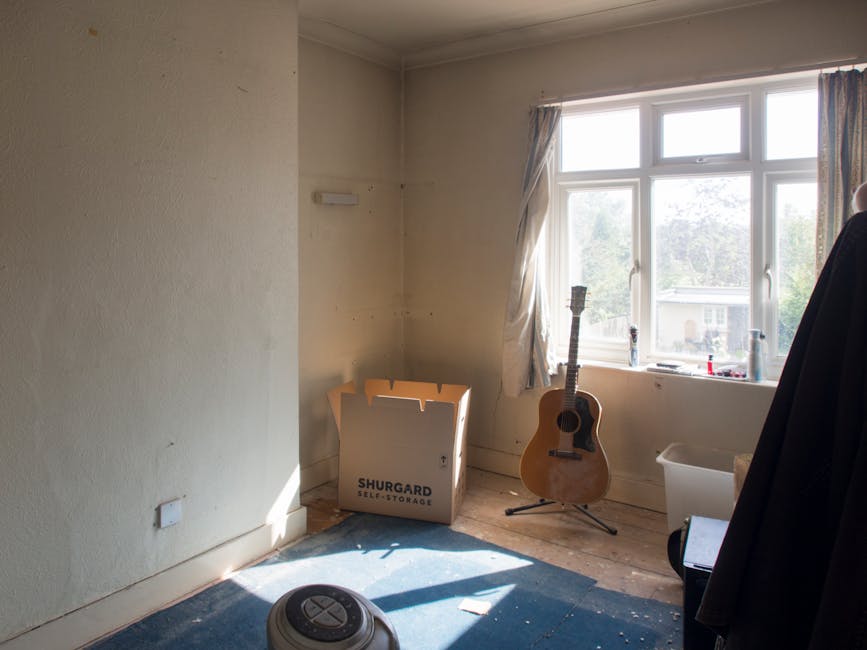
Before: The flat was full of mixed-use storage: hallway baskets, stacked books, spare bedding, kitchen items packed into mismatched boxes, and a sofa that had to be turned at an angle to clear the stair corner. The clients had already started to feel overwhelmed. One room had become a half-packed island of tape, bubble wrap, and "I'll deal with that later" energy. Classic.
What changed: The move was split into stages. Non-essentials were packed first. Furniture was dismantled where sensible. Fragile items were grouped separately. The route from flat to van was checked before loading. Boxes were labelled by room and priority, and the first-night essentials were packed into a clearly marked set of bags.
After: The new house felt organised on arrival. Beds were reassembled first, kitchen basics were accessible, and the main living room furniture was positioned quickly enough that the house began to feel like a home before the evening ended. There was still unpacking to do, of course. But the panic had gone. That makes all the difference.
That before-and-after contrast is the real story. Not perfection. Progress. A flat that felt cramped and cluttered became a house that felt usable, with the move itself acting as the reset point. If you want to compare service styles behind a move like this, the pages on flat removals in Kilburn and house removals in Kilburn help show how the two ends of the journey fit together.
Practical checklist
Use this checklist in the week before the move. It keeps things grounded when everything starts to feel a bit frantic.
- Confirm move date, arrival window, and access at both addresses
- Check parking or loading arrangements near the flat and the house
- Declutter items you no longer want to carry forward
- Gather boxes, tape, wrap, labels, and marker pens
- Pack room by room and keep similar items together
- Mark fragile boxes clearly and avoid overfilling them
- Dismantle large furniture in advance where needed
- Prepare an essentials bag for the first 24 hours
- Keep keys, documents, chargers, and medication close by
- Protect floors and walls if items are likely to brush past them
- Set up beds and basic kitchen items first in the new house
- Allow time for final checks before leaving the flat
One small but valuable detail: keep a note of which box contains which cable or charger. It feels minor now. Later, it feels heroic.
Get a free quote today and see how much you can save.
Conclusion
A Kilburn flat to house removal is not just a bigger move. It is a different kind of move, with different pressure points, different access issues, and a much stronger need for preparation. The before-and-after picture tells you a lot: before, the job looks messy and overwhelming; after, it should feel organised, safe, and properly settled. That only happens when the basics are handled well - planning, packing, access, loading, and a sensible unpacking order.
If you are moving from a flat into a house, the best result is rarely the fastest one. It is the most controlled one. A bit of thought up front saves a lot of noise later. And honestly, that calmer first night in the new place is worth a great deal. There is something comforting about putting the kettle on, looking around, and realising the hard part is done.
For support from a local team that understands the realities of moving in Kilburn, you can also learn more about the company behind the service approach and how it works locally.