NW6 Kilburn removals tips for Willesden Lane parking and access
If you are moving in NW6 Kilburn, the Willesden Lane stretch can make a simple removal feel a bit more complicated than you first expected. Parking is tight, traffic can stack up quickly, and access can change depending on the time of day, the building entrance, or whether there is space to unload without blocking the road. That is exactly why NW6 Kilburn removals tips for Willesden Lane parking and access matter so much. A little planning goes a long way here.
This guide breaks down what to do before moving day, how to think about van access, what to check at the property, and how to keep the whole job calm rather than chaotic. Truth be told, a good move in this part of Kilburn is less about brute force and more about timing, judgement, and not leaving things until the last minute.
For readers comparing local help, it can also be useful to look at the wider removals service, especially if you need a team that understands London streets, narrow windows for loading, and the usual London problem of nowhere sensible to stop.
Table of Contents
- Why Willesden Lane parking and access matters
- How the parking and access process works
- Key benefits and practical advantages
- Who this is for
- Step-by-step guidance
- Expert tips for better results
- Common mistakes to avoid
- Tools, resources and recommendations
- Law, compliance and best practice
- Options, methods and comparison
- Case study or real-world example
- Practical checklist
- Conclusion
- Frequently asked questions
Why NW6 Kilburn removals tips for Willesden Lane parking and access Matters
Willesden Lane is one of those roads where access sounds straightforward until you are actually there with a van full of furniture and two people waiting at the doorway. Then the details matter. Is there a place to stop safely? Can the driver get close enough to the entrance? Will a double-parked vehicle hold up traffic and create problems? These are not minor points. They decide whether your move runs to time or ends up dragging on into the afternoon.
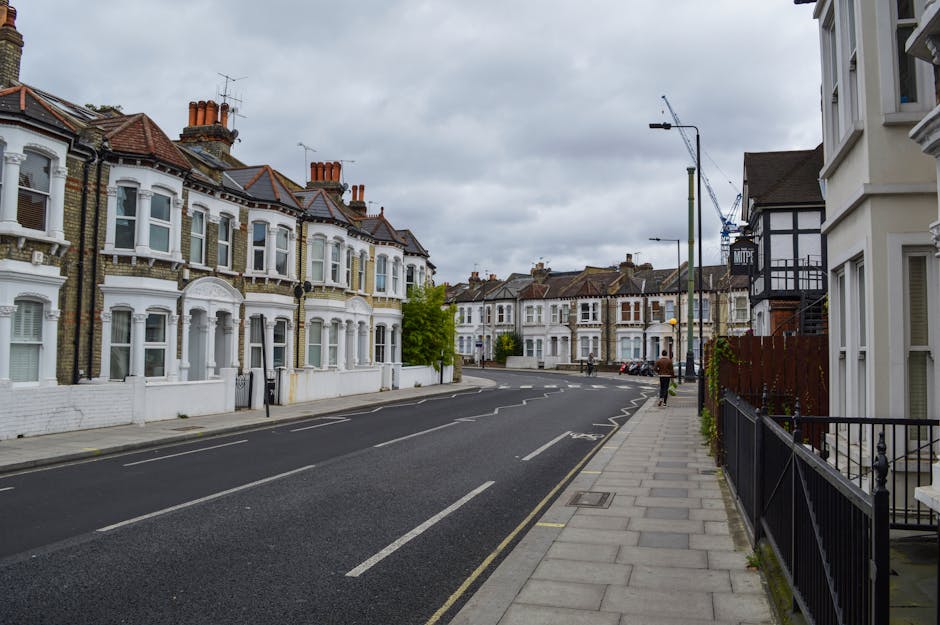
In this part of NW6, the challenge is usually a mix of traffic flow, limited kerb space, residential parking pressure, and buildings that do not always have generous front access. A small ground-floor flat might seem easy, but if the only loading point is narrow, or the stairwell is awkward, the job can still turn into a slow one. On the other hand, even a larger property can move smoothly if parking is planned properly and boxes are staged near the exit.
It also matters because removal costs often depend on time. If your team spends twenty minutes circling for a loading spot, that time can disappear from the schedule. A well-managed parking plan reduces delays, keeps the move safer, and helps protect furniture, walls, and tempers. Let's face it, nobody enjoys carrying a sofa half a street because the van ended up too far away.
How NW6 Kilburn removals tips for Willesden Lane parking and access Works
The basic idea is simple: plan the vehicle, plan the stopping point, plan the walking route, then plan the handover at the property. The order matters. A move is usually easier when the van arrives already knowing where it can wait, how close it can get, and which items need to come out first.
For Willesden Lane removals, that usually means thinking in layers:
- Street layer: Where can a van stop legally and safely?
- Building layer: How close is the entrance, lift, or stairwell?
- Timing layer: What part of the day gives the best access and least traffic pressure?
- Handling layer: Which items are awkward, heavy, or likely to snag on tight corners?
If you are booking a man with a van or a more substantial moving van, the same logic applies. Smaller vans can sometimes fit into tighter spots, but they still need enough room to load without creating risks. Bigger vehicles can reduce trips, yet they need more careful positioning. No magic trick there, just practical planning.
A good removal team will usually ask about access before the job begins. That is a good sign. It means they are not assuming the road will behave kindly just because the calendar says moving day. You should be ready to explain whether the property is on a hill, whether there are steps at the entrance, whether the lift is working, and whether you can reserve a clear place for unloading if needed.
Key Benefits and Practical Advantages
Getting parking and access right gives you more than convenience. It changes the whole feel of the move. You can spot the difference almost immediately when the van arrives and the crew can get to work without faffing about. A few practical advantages stand out.
- Less loading time: Closer parking means fewer carry trips and faster progress.
- Lower damage risk: Shorter carrying distances reduce the chance of chips, scrapes, and dropped items.
- Better control of heavy items: Sofas, wardrobes, and white goods are easier to manage with a sensible route.
- Less stress: You are not trying to solve parking in the middle of a moving window.
- Cleaner scheduling: A better plan helps the team move through the job in a steadier rhythm.
There is also a subtle benefit people often miss. Good access planning tends to improve communication. Everyone knows what is happening, where the van is going, and which item comes next. That calmness matters. It sounds small, but in a busy Kilburn street it really does make a difference.
If your move involves packing support, it can be worth looking at packing and unpacking services as part of the overall plan. When boxes are grouped properly and furniture is protected, loading becomes quicker and access problems are easier to handle. Less chasing around. Less last-minute panic. More room to breathe.
Who This Is For and When It Makes Sense
This advice is useful for anyone moving to or from Willesden Lane, but it is especially helpful in a few common situations. If any of these sound familiar, you will probably benefit from a more careful access plan.
- Flat moves in NW6: Especially where the building has stairs, limited lifts, or a tight shared entrance.
- House moves on busy streets: Where the driveway is small or non-existent and roadside stopping is the only option.
- Student or first-time moves: These often involve underestimating how much time parking and access can eat up.
- Office or small business moves: Where the items are manageable individually but need a tight schedule.
- Moves with large furniture: Wardrobes, tables, beds, and appliances need a clear route and a van that can get close.
If you are moving a full home, a local house removals service may be more appropriate than trying to piece together a day with multiple helpers. For smaller or lighter moves, a flexible man and van option can be a sensible fit. The right choice depends on how much needs shifting, how awkward the access is, and how much time you have available.
In our experience, the people who find this advice most useful are the ones who are juggling a real life at the same time: work calls, landlord handovers, children underfoot, or a moving date that has arrived before the boxes quite have. Been there, in one form or another. A calm plan helps more than people expect.
Step-by-Step Guidance
Here is a practical way to handle parking and access for a move on Willesden Lane. Keep it simple and do the obvious things well. That is usually enough.
- Walk the route before moving day. Check the front entrance, the pavement width, the nearest stopping points, and whether there are obstructions such as bins, railings, or tight corners.
- Measure the awkward items. If a sofa, mattress, wardrobe, or appliance is borderline, measure it. Guessing is how people end up pivoting a wardrobe sideways in a hallway and hoping for the best.
- Check for access restrictions. Look for resident-only bays, time-limited loading areas, yellow lines, or building rules about where contractors may stop.
- Plan the arrival window. Early mornings can sometimes be easier, but not always. The best slot depends on local traffic, school runs, bin collection patterns, and the building itself.
- Stage items near the exit. Put the first-load items close to the door so the team can begin loading quickly.
- Protect the route inside the property. Use covers, towels, or proper protective materials for corners, bannisters, and door frames.
- Keep a clear point of contact. One person should be answering questions on arrival. Too many cooks, as they say, and the van idles while everyone debates the same doorway.
- Reserve the fastest exit route for essentials. Put keys, documents, charging cables, and overnight bags somewhere that does not get buried under bedding and random kitchen clutter.
A useful trick is to think in "carry distance." The farther the van is parked from the entrance, the more time and effort every single item takes. That is obvious once someone says it, but it is easy to overlook when you are focused on the bigger move. Shorter carry distance often equals a calmer moving day.
Expert Tips for Better Results
A few practical tips can save a surprising amount of hassle on Willesden Lane.
Choose the right vehicle size
Do not assume a larger van is always better. In some NW6 streets, a slightly smaller van can be the smarter choice because it can position more easily and avoid awkward manoeuvres. If you are comparing vehicle options, a dedicated removal van or even removals van may suit tighter access better than a larger truck. Not every move needs the biggest vehicle on the road.
Pack with loading order in mind
Items should not only be packed safely; they should also be packed sensibly for unloading. Put the things you need first at the back of the access path or label them clearly. If the van is parked some distance away, every minute saved matters.
Keep the hallway clear
One of the easiest mistakes is leaving the building entrance full of shoes, recycling bags, plant pots, or loose bits of furniture. Clear the route before the van arrives. You will feel the difference straight away.
Speak to neighbours if the street is tight
A polite heads-up can make things easier, especially if you expect a short period of loading outside the property. You do not need to announce the move to half the road, but a little courtesy goes a long way. London people notice that sort of thing.
Plan for rain, because this is London
A wet pavement changes everything: grip, speed, handling, and patience. Keep covers ready and make sure the most vulnerable boxes are protected. A damp cardboard box is nobody's friend.
Use proper protection for awkward items
Mattresses, mirrors, drawers, and TVs deserve a bit of extra care. It sounds basic, but basic is good. A move is not the place for improvisation with a blanket and optimism.
Expert summary: The smoothest Willesden Lane moves are usually the ones where parking is treated as part of the job, not something to "sort out when the van gets there." That one mindset shift can save time, money, and a lot of unnecessary heat.
Common Mistakes to Avoid
Most moving problems in this part of Kilburn are preventable. The tricky bit is that they often look harmless on paper.
- Assuming roadside stopping will be easy: It may not be, especially during busier periods.
- Not checking building access in advance: A blocked lift, locked side gate, or narrow stairwell can slow everything down.
- Leaving packing too late: Last-minute boxes are often overfilled, badly labelled, and awkward to load.
- Forgetting large-item measurements: This is how the "it will fit" moment turns into the "we may need to tilt it awkwardly" moment.
- Not clearing the property route: Small obstacles create big delays when several people are carrying heavy items.
- Ignoring the weather: Wet conditions can make loading slower and less safe.
Another common one? People ask the removal team to solve access problems after arrival rather than before. By then, you are already burning time. Better to have a slightly awkward conversation in advance than a much more expensive one on the pavement.
Tools, Resources and Recommendations
You do not need fancy gear to manage a local move well, but a few practical tools help a lot. Keep it simple and focus on what actually makes the day easier.
- Measuring tape: Useful for checking furniture, doorways, and awkward bends.
- Phone camera: Take a few pictures of the front entrance, stairs, parking position, and any access issues. They are handy when briefing the movers.
- Labels and marker pens: Good labels reduce confusion and speed up unloading.
- Protective covers: Blankets, wraps, and covers help prevent damage on tight routes.
- Box cutters and tape: Keep them accessible but separate from the "must not lose" items.
- Contact sheet: Have landlord, concierge, building manager, or keyholder details ready if needed.
For a move with multiple rooms or more fragile belongings, checking home moves options can help you decide whether you need a more hands-on service. If it is a smaller job, browsing movers may be enough to find the right fit. Either way, the goal is the same: less confusion, better access, safer handling.
And if you are comparing providers, it is wise to read the practical details around insurance and safety as well as the health and safety policy. That is not glamorous reading, granted, but it tells you a lot about how a company works when the job gets real.
Law, Compliance, Standards, or Best Practice
For a move on Willesden Lane, the main compliance concerns are usually practical rather than dramatic. You are dealing with road use, safe loading, and respect for property access rules. In the UK, it is normal to avoid blocking traffic where possible, to park legally, and to make sure loading does not create unnecessary risk for pedestrians or cyclists. If there are local parking restrictions, those need to be respected. If a building has access rules, those matter too.
Best practice is to make sure the driver knows where the van may stop, whether they need to wait in a loading bay, and what the building expects from contractors. If you are using a professional service, ask whether they are comfortable with London access jobs and whether they can handle tight kerbside conditions. A sensible company should be able to explain how they approach safe loading, item protection, and communication on the day.
For peace of mind, some customers also review broader service terms such as terms and conditions, payment and security, and privacy policy. That is just good housekeeping, really. If a move involves your home, personal items, and a tight timetable, you want to know how the service is run.
Options, Methods, or Comparison Table
Different moves need different approaches. Here is a simple comparison to help you think through the best fit for Willesden Lane parking and access.
| Option | Best for | Strengths | Trade-offs |
|---|---|---|---|
| Man and van | Small to medium moves, lighter loads, flexible access | More manoeuvrable, often easier on narrow streets | May require more trips for larger jobs |
| Removal van | Typical household moves with moderate furniture | Good balance of capacity and access | Still needs careful stopping space |
| Moving van with crew | Busy moves or multiple large items | Better load handling, steadier pace | Needs planning for parking and route clearance |
| Larger removal truck | Big homes or complex relocations | More capacity, fewer runs | Harder to position on tight roads |
The right option depends on the property, the volume of belongings, and the street layout. If the access is especially tight, a more nimble approach can be better than a big vehicle with lots of spare room. A huge van is not automatically a smart van.
Case Study or Real-World Example
Here is a very typical kind of Kilburn move. A couple in a first-floor flat off Willesden Lane had a standard household load: bed frame, mattress, dining table, several boxes, and a few awkward bits of shelving. At first, they assumed the van could just stop outside and everything would be fine. When they checked the road properly the day before, they realised the obvious space was often taken and the entrance was busier than expected.
So they changed the plan. They cleared the hallway, grouped the boxes by room, measured the longer furniture, and agreed a better arrival slot. They also told the driver exactly where the narrowest point was in the stairwell. Nothing dramatic. Just sensible prep. The result was a smoother move, fewer delays, and much less back-and-forth between the building entrance and the vehicle.
That sort of job is common. And honestly, the lesson is simple: when access is likely to be the main issue, do the planning before the first box moves. Not after. You will feel the difference by ten in the morning.
Practical Checklist
Use this checklist before your Willesden Lane move. It is the kind of list that prevents small problems turning into whole-day problems.
- Measure large items and key doorways
- Check where the van can legally stop
- Confirm the building entrance and route inside
- Clear the hallway, stairs, and landing
- Label boxes by room and priority
- Set aside essentials for the first night
- Protect floors, corners, and fragile items
- Share access notes with the movers in advance
- Choose a vehicle size that suits the street
- Keep contact details handy on moving day
- Review safety, insurance, and terms before booking
If you are still deciding between service types, you may also want to compare removals near me with more specific support such as man with a van or a fuller removal services package. The best choice is usually the one that matches the actual access challenge, not just the size of the furniture pile.
Conclusion
Moves in NW6 Kilburn can be smooth, but Willesden Lane parking and access need proper attention if you want that result. The good news is that most of the stress is avoidable. Plan the stopping point, understand the building route, choose a sensible vehicle, and keep the loading area as clear as possible. That is the heart of it.
Once you approach the move this way, everything feels more manageable. You are not hoping for luck. You are creating better conditions for the day to go well. And that, in a busy London street, is a pretty solid advantage.
Get a free quote today and see how much you can save.
Whatever stage you are at, a careful local plan is usually the difference between a frazzled move and one that feels surprisingly steady. Little details, handled well, make the whole day easier.
Frequently Asked Questions
How do I plan parking for a move on Willesden Lane?
Start by checking where a van can stop legally and safely, then think about how far the carry will be from the entrance. If the obvious space is often occupied, build in a fallback plan. A quick look the day before helps a lot.
What is the best time of day for NW6 Kilburn removals?
There is no one perfect time, but quieter periods are usually easier for access and loading. Early slots can work well if traffic is lighter, though you should still consider school runs, local activity, and the building itself.
Do I need to reserve space outside my property?
Not always, but if access is very tight or the road is busy, it may be worth planning how the van will stop. The key point is to avoid guessing on the day. A clear access plan is better than a hopeful one.
Is a smaller van better for Willesden Lane?
Sometimes, yes. A smaller vehicle can be easier to position on a narrow road or near a tight entrance. For bigger loads, though, you may still need a larger van. The best choice depends on the property and the volume of items.
What should I tell the removal team before they arrive?
Tell them about steps, lifts, tight stairwells, loading restrictions, parking issues, and any items that are especially heavy or awkward. If there is a specific entrance or side gate, mention that too. Small details make a big difference.
How can I make loading faster?
Group boxes by room, keep the route clear, and place the first-load items near the exit. If you label everything properly, the movers do not waste time asking what should go where. It sounds simple because it is.
What happens if the van cannot stop right outside?
Then the team may need to park a little further away and do more carrying. That is why planning matters. Longer carry distances increase time and effort, so it is best to reduce them where possible.
Are there safety issues with tight access moves?
Yes, there can be. Narrow hallways, steps, awkward corners, and busy streets all increase the chance of bumps or strain. Proper handling, clear routes, and sensible timing reduce those risks.
Should I use packing help for a Kilburn move?
If you have fragile items, a lot of rooms to pack, or not much time, packing help can be a very good idea. It keeps the move organised and makes loading smoother. That alone can save a surprising amount of hassle.
How do I choose between house removals and a man and van service?
Choose based on volume, access, and how hands-on you want the service to be. For a fuller household move, house removals is often the better fit. For smaller jobs or flexible access, man and van may be enough.
What should I check before confirming a removals quote?
Check what is included, how access issues are handled, whether there are any terms about waiting time, and how payment works. It is also sensible to review pricing and quotes so you know what to expect before moving day.
Can a removals company help with commercial access too?
Yes. If you are moving a small office or work space near Willesden Lane, commercial planning is just as important as home access. A service that handles commercial moves or office removals can be useful where timing and access need extra coordination.